Project Planning
Agenda (80 minutes)
- 10 min - Check-in and keep getting to know each other
- 20 min - Share project ideas and research needs
- 25 min - High-level overview of the component view of models in this course
- 15 min - Talk through which model components different projects will need
- 10 min - Wrap-up, questions, and next steps
Learning Goals
By the end of this class, you should be able to:
- Explain how this course will think about modeling at a high level.
- Identify key model components that may be relevant to your own project.
1. Check-In and Community Building
We will keep getting to know each other as a working group. The goal is to better understand your background, your research context, and the kinds of software problems you are already dealing with.
2. Project Directions and Research Needs
Come ready to briefly describe a project idea, research question, or software problem that you think this course might support. We will use this discussion to see where people are starting, what kinds of help may overlap across projects, and what kinds of examples or tools may be worth bringing into class later.
Milestone Timeline
- Sun 09/13 - Milestone 1: Project Proposal and Initial Git Repository
- Sun 09/27 - Milestone 2: Initial Prototype and Working Workflow
- Sun 10/11 - Milestone 3: Testing and Validation Baseline
- Sun 10/25 - Milestone 4: Documentation and Reproducibility Pass
- Sun 11/08 - Milestone 5: Project Systems and Automation
- Sun 11/22 - Milestone 5: Release Candidate and Handoff Package
- Sun 12/06 - Milestone 6: Final Project Submission and Presentation Materials
3. Component View of Models for the Semester
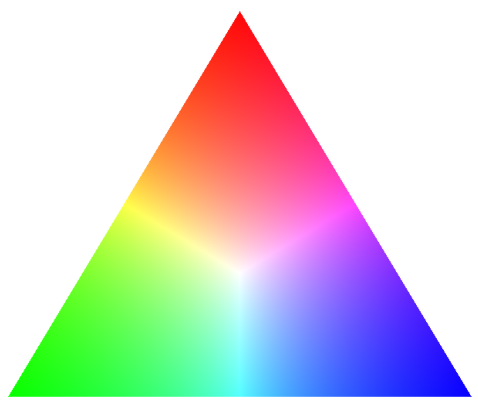
This course will use a shared component convention to discuss many models:
- Analytical
- Physical
- Data-Driven
These are not separate buckets. Many real projects include some mixture of all three components. This convention helps us compare projects using a common language and identify useful tools, tests, and documentation. It is a guide for thinking, not a rule that every project must fit perfectly.
4. Project Fit Discussion
We will talk through which components are most prominent in each project and how the component mix may change over time. Some projects may begin with a strong physical core and later add data-driven calibration. Others may start analytically and add physical constraints. That is fine. The point is to meet projects where they are and use that discussion to decide what kinds of tools, examples, or in-class activities will be most useful this semester.
Before Next Class
- Write down your current best project idea or research software direction.
- Note your current Analytical/Physical/Data-Driven component mix and where you expect it to evolve.
- Bring one question about tools, workflow, or project scope to the next class.