Health Communication & Community Research
Led by Dr. Mengyan Ma
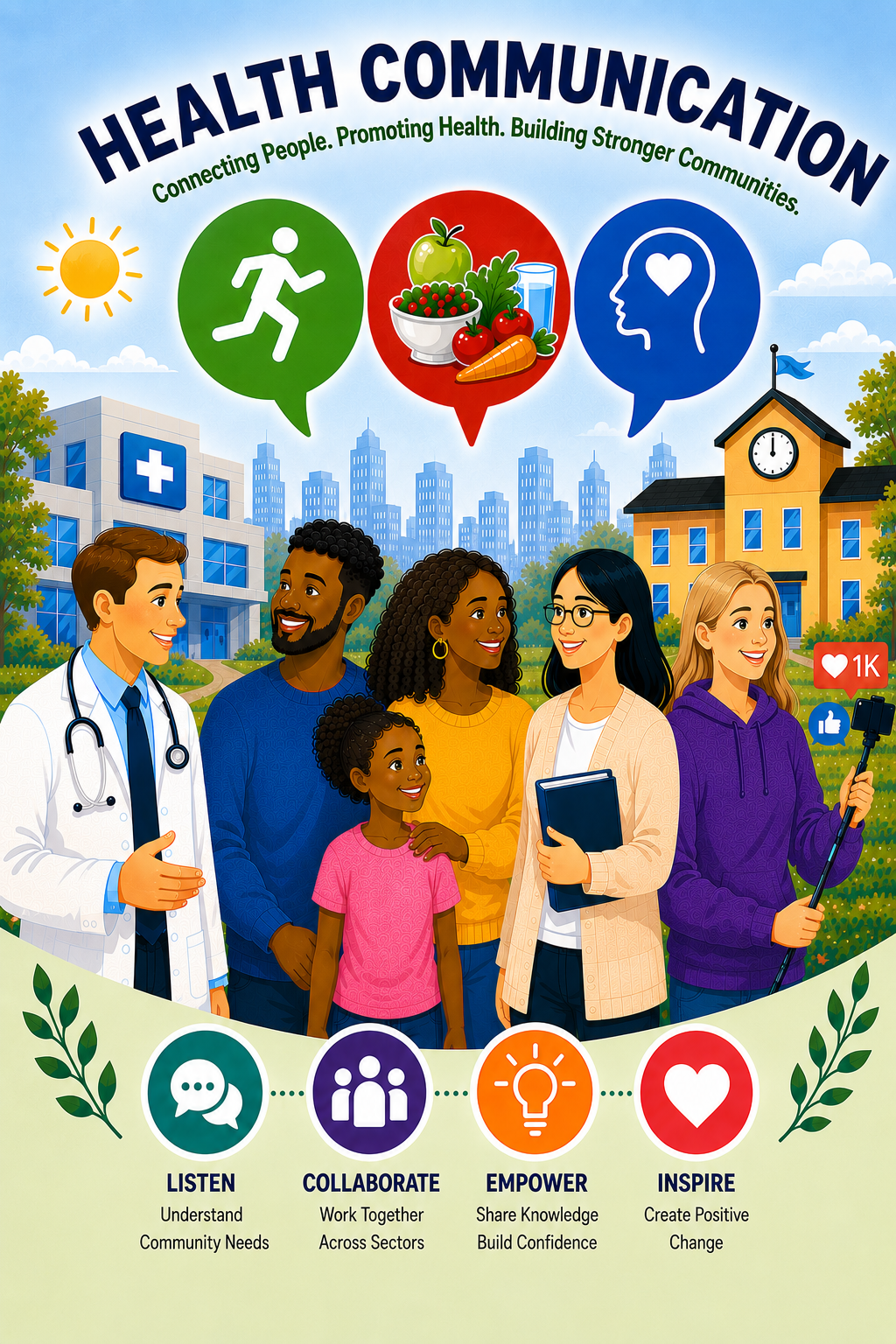
Empowering Healthier Communities Through Communication
Mengyan’s team focuses on exploring challenges in health promotion and designing interventions to promote healthy behaviors. We aim to better understand the often unexplored challenges that families and health providers face in health-related contexts, while helping students engage in community-based research to better understand local issues and contribute meaningfully back to the community through mixed-method research.
Students on this team will engage in a full research lifecycle, starting with exploring ideas and identifying meaningful questions in health communication, and progressing through study design, data collection, and analysis. Along the way, students will develop skills in literature review, research methods, and collaborative problem solving, while gaining hands on experience working with real data and community focused research challenges. As projects mature, students may also have opportunities to present their work, contribute to publications, and build professional skills in communication, teamwork, and research dissemination. The exact path will vary based on student interests and project direction.
Students do not need a background in medicine, biology, or nutrition to engage in health communication research. Health communication focuses on understanding and designing persuasive messages that influence people’s perceptions, attitudes, and behaviors related to health. It draws heavily on communication theory, psychology, media, and message design to promote healthier decision-making and outcomes.
Methods and Technologies
The team primarily focuses on survey research, interviews, and focus groups. Based on students’ research interests, the advisor will recommend the most appropriate and feasible method for conducting the study. Students will learn how to design survey questions, interview protocols, and/or focus group guides, as well as how to conduct pilot studies to test and refine research instruments before implementing the main study. Participant recruitment strategies will also be discussed throughout the research process.
Institutional Review Board (IRB) procedures and ethical considerations will be introduced and discussed during team meetings. While the advisor will serve as the Principal Investigator for IRB applications, students will gain experience learning about the IRB process and research ethics requirements.
Members of our team will learn and use the following tools and technolgy:
- Qualtrics for survey design and data collection
- SONA Systems for participant recruitment
- Whisper for audio transcription and interview/focus group data preparation
- SPSS and Excel for quantitative data analysis
Areas of Interest
- Eating behaviors and nutrition
- Mental Health
- Substance use
- Vaccination
- Food advertising and influencer marketing
- Advertising directed toward children
- Advertising ethics
***Students are strongly encouraged to explore and propose their own research interests related to health communication, family communication, advertising, media effects, and other related areas.
Preferred Interests and Preparation
The team welcomes students from all academic backgrounds and levels of experience and aims to foster a collaborative, supportive, and exploratory learning environment. Curiosity, creativity, critical thinking, and a willingness to learn are valued more than prior research experience. Students are encouraged to share different perspectives and engage in constructive discussions, as thoughtful debate and idea exchange help strengthen research projects and prepare students for the critical feedback commonly encountered in academic research and publication processes.
Whether you are passionate about addressing local community challenges, interested in learning how to understand target audiences’ attitudes, behaviors, and pain points, or simply curious about what research looks like in communication-related fields, we believe there is a meaningful place for you on our team.
Useful preparation and qualities may include:
- An interest in exploring community challenges and contributing to the community
- A willingness to challenge yourself, think independently, and attempt problem-solving before seeking support, while also feeling comfortable asking questions when needed
- Respect for diversity in academic backgrounds, cultures, personal values, hobbies, and opinions within the team
- Openness to collaboration, feedback, and continuous learning
Meeting Schedule & Location
- Meeting Time: Thursdays from 10:30–11:30am
- Location: Communication Arts and Sciences (CAS) Building. Room number TBD.
Team Advisor
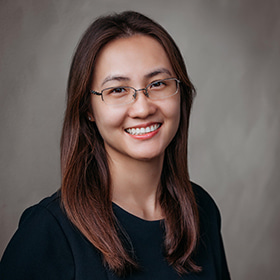
Department of Advertising and Public Relations
mamengya@msu.edu
Dr. Mengyan Ma is an Assistant Professor (Professor of Practice) in the Department of Advertising and Public Relations at Michigan State University with an active research agenda. Before rejoining MSU, she served as a tenure-track Assistant Professor in the Department of Communication and Journalism at University of Wisconsin–Eau Claire from 2021 to 2024. Her research examines the intersection of health, technology, and family communication using mixed methods approaches. As principal investigator, Mengyan received a Trifecta Grant to support interdisciplinary research on influencer marketing of cannabis-infused beverages, with the goal of informing media literacy campaigns, family education, public health initiatives, and regulatory discussions. Her scholarship has been published in journals including Telemedicine and e-Health, International Journal of Communication, Social Media + Society, Health Communication, Journal of Family Communication, Journal of Social and Personal Relationships, and Journal of Advertising Education, among others.