ICSAS
Interregional, Crosslinguistic South Asian Studies Team
Led by Jon Keune

Interregional, Crosslinguistic South Asian Studies Team (ICSAS)
ICSAS is a VIP team that develops digital tools to study South Asian cultures across its many languages and regions. This work grows out of an established network of scholars beyond MSU, the Regional Bhakti Scholars Network, which has over 130 members across the globe. Initially, ICSAS will focus on improving and further developing the interface and infrastructure of the Bhakti Virtual Archive to create new search capabilities and enhance user experience.
Students in this VIP team may assist with:
- developing a searchable word cloud interface
- assessing weaknesses in existing infrastructure and areas for improvement
- interacting with our scholarly network to develop further tools for managing diverse Indic textual corpora, scripts, and knowledge bases
ICSAS especially welcomes students with some prior exposure to one or more South Asian languages, although this is not required. We anticipate this VIP team having a core of computer and technology majors who are interested in working to address the relative neglect of South Asia in digital humanities and programming.
Issues Involved or Addressed
ICSAS helps scholars and teachers of South Asia appreciate the immense diversity of this global region by improving and developing technologies that further support existing collaborations among scholars of the humanities and social sciences. As a new and experimental VIP team, we work closely with students to identify possibilities to improve existing digital tools and develop new ones. We are especially interested in enhancing connections across the university between data science and the study of human culture, both quantitative and qualitative.
Methods and Technologies
Our research team works with the following themes:
- linguistic and cultural diversity in South Asia
- UX and experience architecture
- WordPress, Javascript, APIs, PHP, and Zotero
- database construction
- interdisciplinary collaboration and communication
- team building and project organization skills
Areas of Interest
- Computer Science
- Data Science
- User Experience
- Experience Architecture
- Linguistics
- South Asian Languages
- Digital Humanities
- History
- Anthropology
- Graphic Design
- Public Outreach
- Diaspora Studies
- [Other relevant majors]
Preferred Interests and Preparation
The ICSAS team welcomes students from all academic backgrounds and levels of experience. We try to promote a collaborative and exploratory environment where curiosity, creativity, and a willingness to learn are the most valuable assets.
As a new VIP team, we are especially open to discussing how students’ own related interests may be merged into this group. During the first semester (Spring 2027), our focus will be on establishing a strong foundation for a long-term VIP team. We seek students who are independent, self-motivated, and comfortable experimenting in a dynamic, evolving environment.
Useful preparation could include:
- Interest in the interface of humanities and computers
- Exposure to or knowledge of South Asian languages and cultures
- Openness to experimentation and creative brainstorming of new possibilities
- Experience with programming, machine learning, or data science
- Experience with interdisciplinary work and communication
Useful qualities include:
- Enthusiasm for contributing to a diverse and interdisciplinary team
- Openness to feedback
- Attention to detail
Meeting Schedule & Location
- Required Meeting Time: Wednesdays 9-10am
- Location: Wells Hall (room number TBD) Contact Dr. Keune (keunejon@msu.edu) for room location or Zoom link
Team Advisor
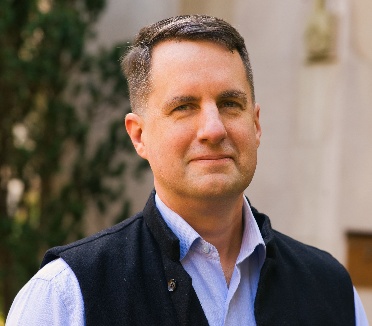
Department of Religious Studies, Michigan State University
keunejon@msu.edu
Dr. Jon Keune is an Associate Professor and Associate Chair of the Religious Studies Department at MSU, as well as a co-founder of the Regional Bhakti Scholars Network and core faculty in the Digital Humanities @ MSU program. He works especially with Marathi and other Asian texts to study social history and change, which involves collaborating with specialists in other languages, creating new digital corpora, and leveraging digital tools. Working extensively in community-engaged scholarship and nonprofit leadership, Dr. Keune highly values scholarship and teaching that extends beyond the walls of academia and is of use to non-academic communities. He works extensively with mentoring students and teaching independent studies around students’ areas of interest.